

TPO and EPDM Membrane Roofing in Verdun and the Surrounding Area
What Is a TPO Membrane and What Is an EPDM Membrane?
TPO and EPDM membranes are single-ply roofing systems, meaning they use only a single membrane layer to ensure the roof's waterproofing. They differ from the elastomeric membrane, which is a two-layer system. ML Pro Toitures assesses your building in Montreal or on the South Shore and recommends the system best suited to your needs.
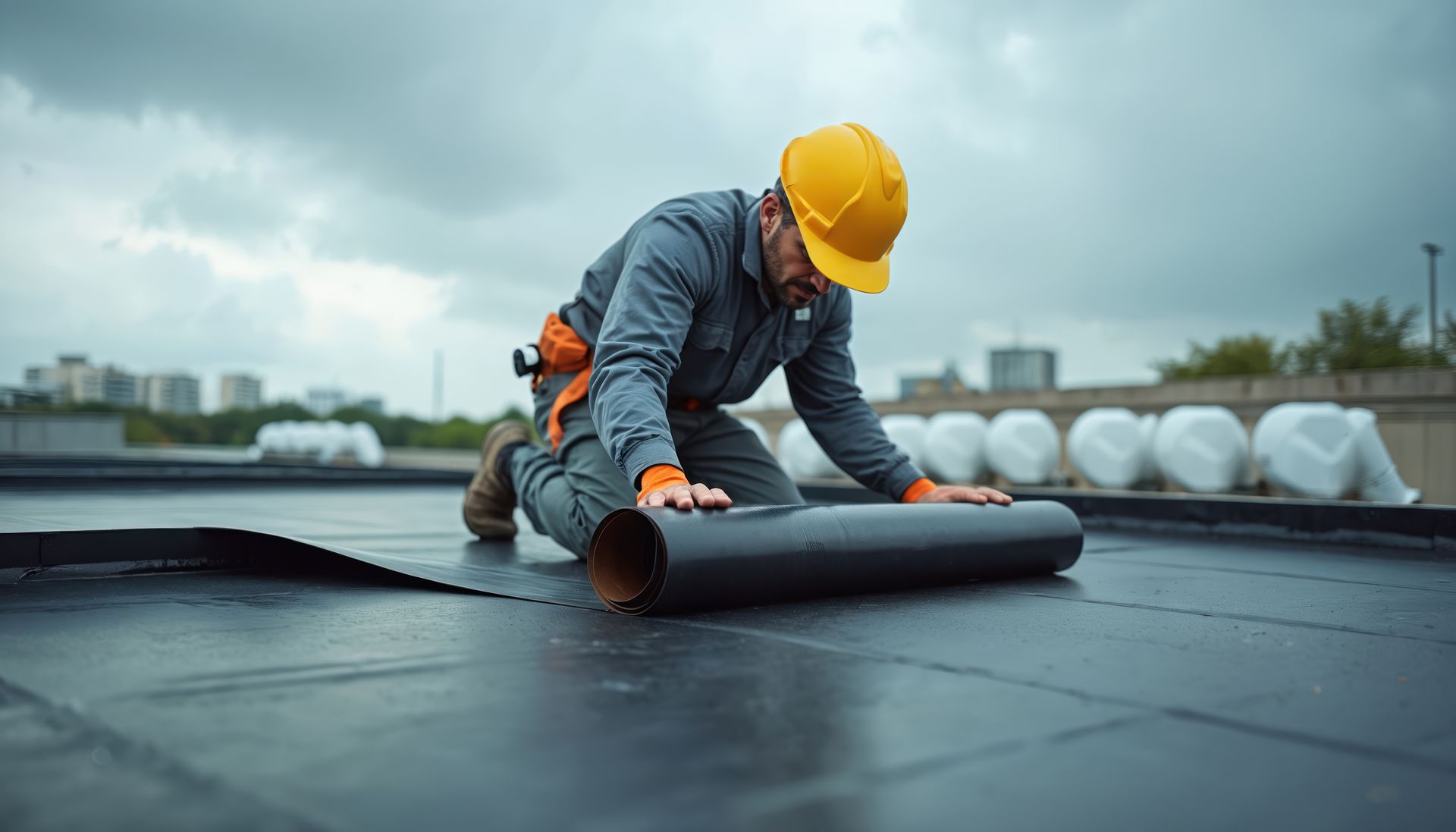
Two systems, one goal:
protect your building.
Why Choose a TPO or EPDM Membrane?
TPO and EPDM membranes share several advantages:
Lightweight: Less stress on the building structure than asphalt and gravel systems.
Installation Over Existing Roofing: Can be installed directly over an old covering.
Urban Heat Island Reduction: Available in light colours that reflect solar heat.
Service Life of 20 to 30 Years: Resistant to moisture, temperature fluctuations, and Quebec winter conditions.
TPO Membrane
Characteristics of TPO Membrane
TPO (thermoplastic polyolefin) membrane is made from a blend of ethylene-propylene rubber and polypropylene, reinforced with a polyester scrim. It is a thermoplastic material: it softens when heated and hardens as it cools, which allows seams to be permanently heat-welded.
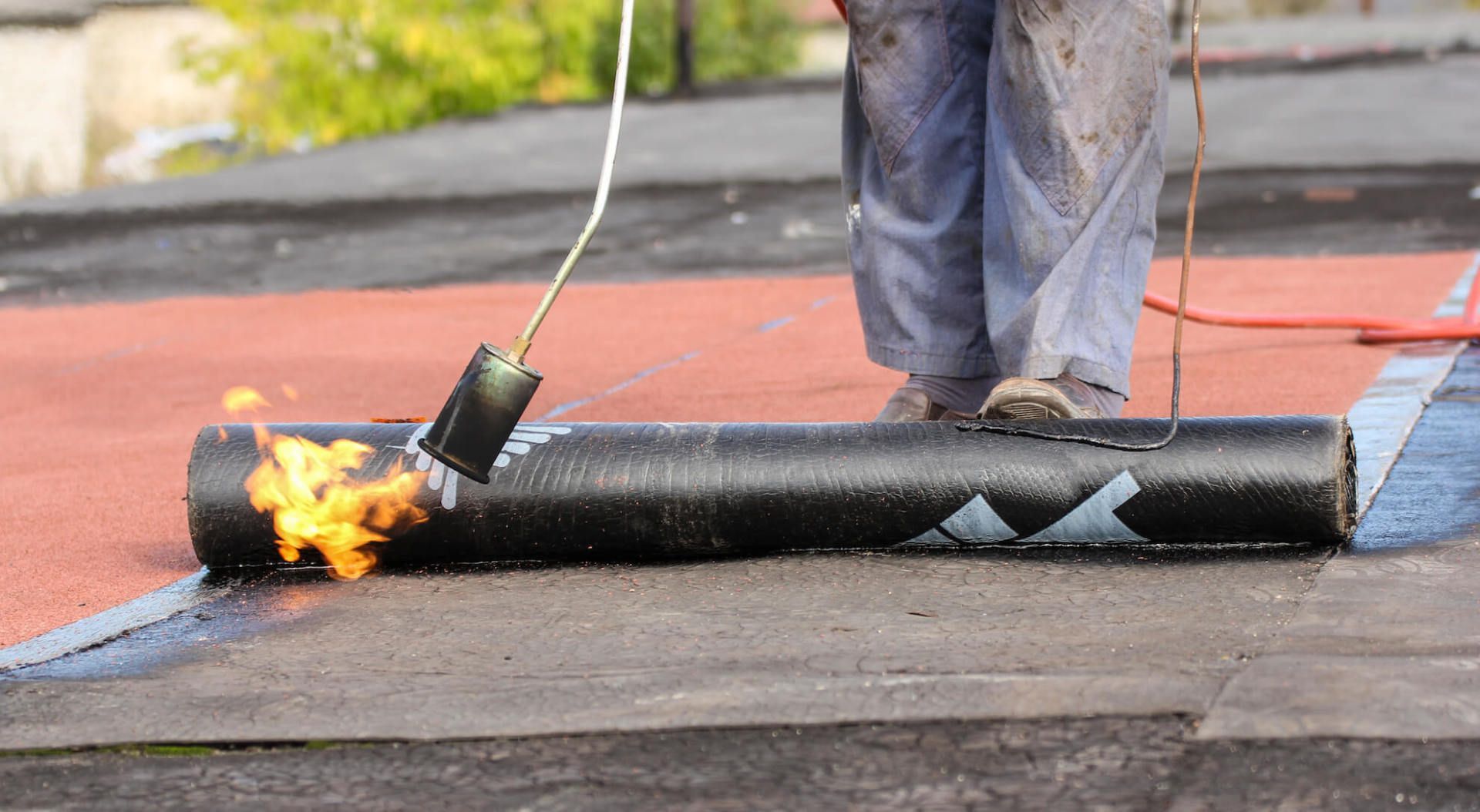
What Sets TPO Membrane Apart
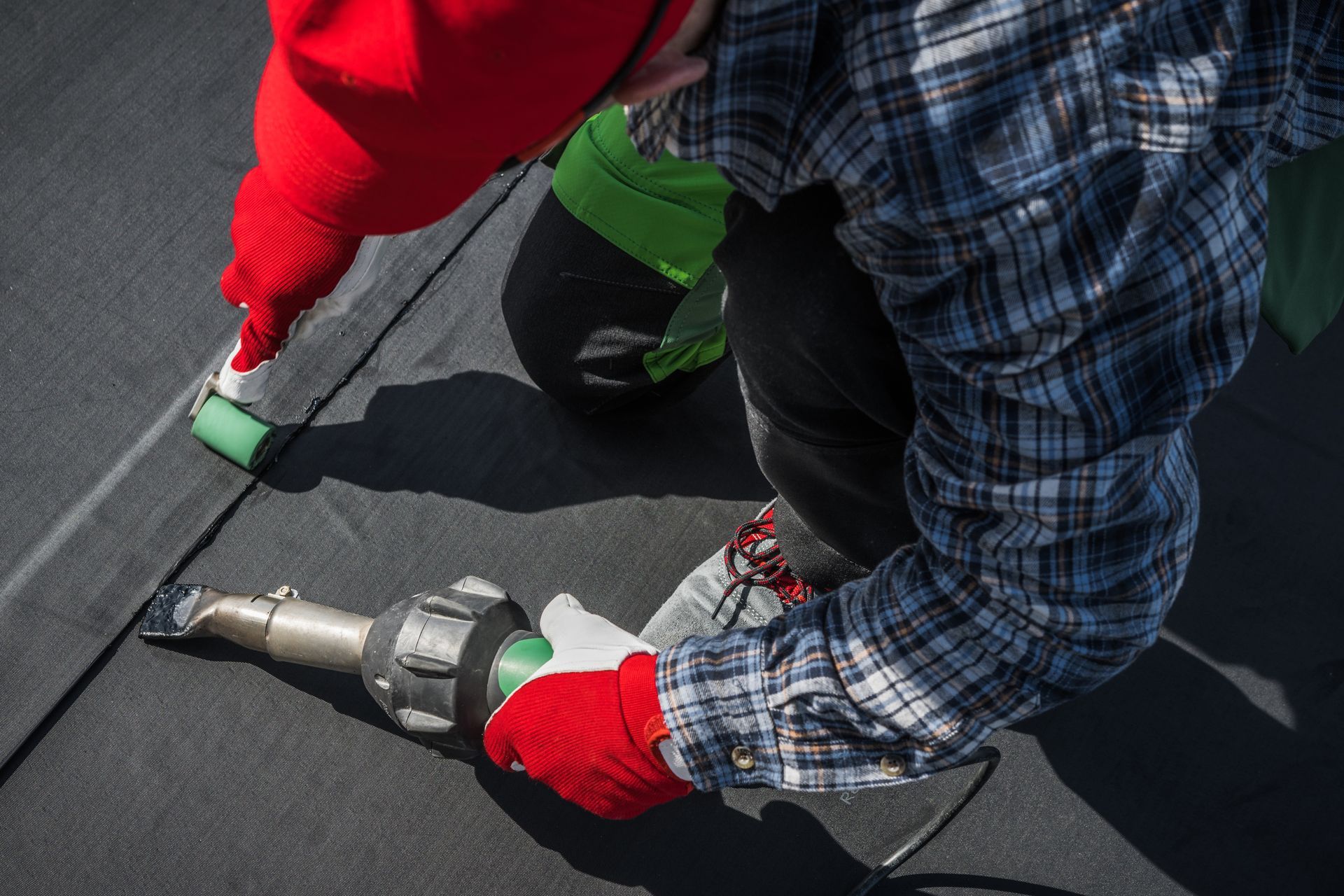
Heat-Welded Seams: Thermal fusion creates seams that are stronger and more watertight than adhesive bonding, with less risk of delamination.
Highly Reflective Surface: Among the best-performing membranes for energy efficiency in summer.
Flame-Free Installation: Hot-air welding reduces the risk of fire on the job site.
How Is a TPO Membrane Installed?
Every installation includes substrate verification, replacement of any damaged components, surface preparation, and a final inspection and site cleanup.
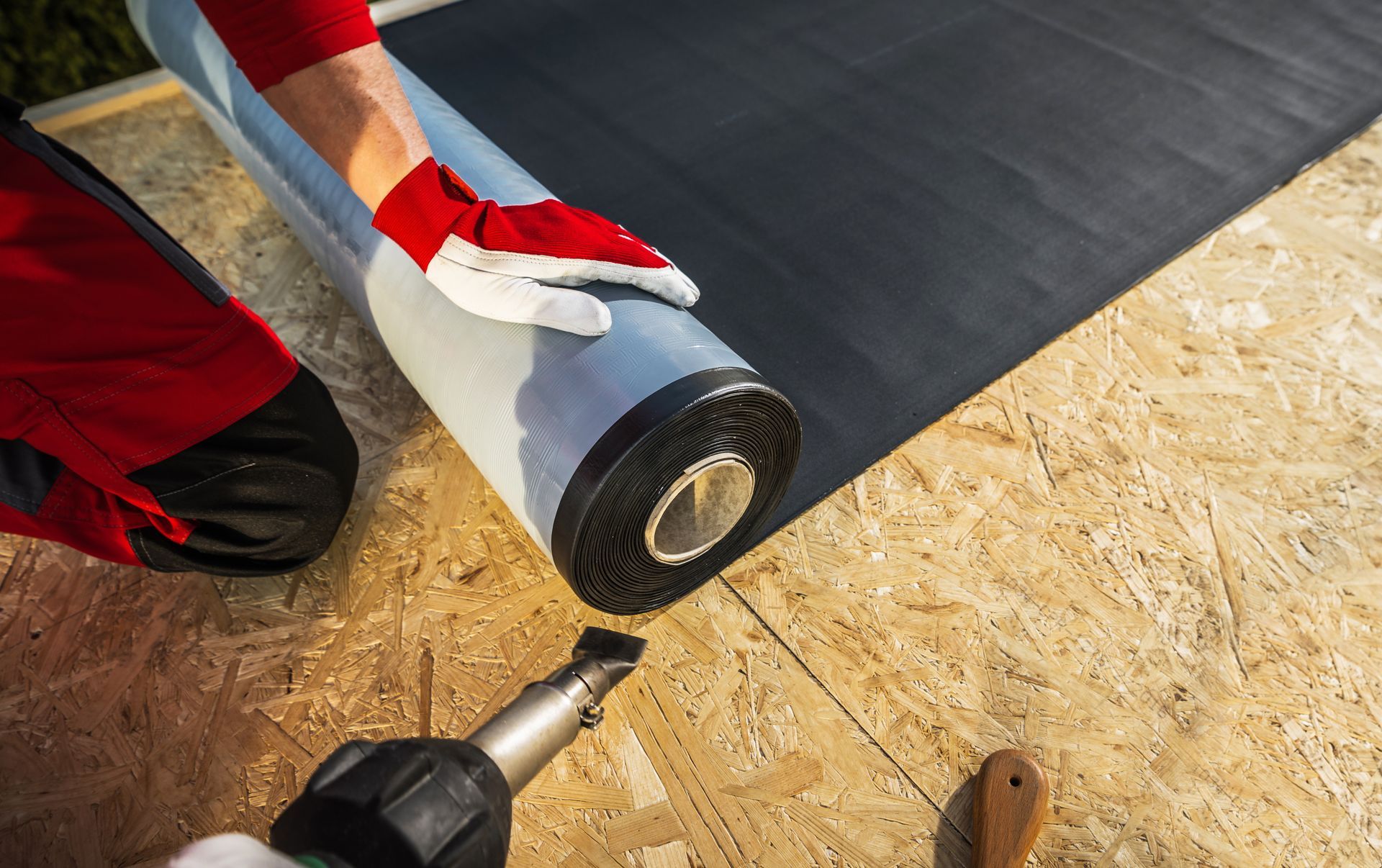
- Rolling Out the Membrane: TPO membrane rolls are positioned on the substrate with an overlap between each section.
- Fastening to the Substrate: Depending on the roof configuration, the membrane is mechanically fastened (screws and plates), fully adhered, or ballasted (gravel or pavers).
- Heat-Welding the Seams: An automatic welder applies hot air to the overlapping areas to fuse the membrane sections together.
- Finishing the Details: The perimeters of drains, flashings, chimneys, and other penetrations are sealed with preformed pieces or welded reinforcement strips.
Lightweight, durable, and high-performing: everything you need.
Ready to invest in a roof that lasts?
EPDM Membrane
Characteristics of EPDM Membrane
EPDM (ethylene propylene diene monomer) membrane is made from synthetic rubber. Unlike TPO, it is not a thermoplastic material: its seams are not heat-welded but assembled using a specialized adhesive or seam tape.
What Sets EPDM Membrane Apart
Superior Elasticity: Synthetic rubber expands and contracts without cracking, an important advantage given Quebec's extreme temperature swings.
Proven Track Record: In use for several decades, it is one of the most thoroughly tested single-ply membranes on the market.
Silent, Flame-Free Installation:
Adhesive bonding requires neither a torch nor a welder.
How Is an EPDM Membrane Installed?
Before and after every project, our team inspects the substrate, replaces deteriorated components, prepares the surface, and ensures the site is left clean once the work is complete.
- Rolling Out and Positioning: The membrane is unrolled across the surface and left to rest for a few minutes to relax and eliminate wrinkles.
- Fastening to the Substrate: The membrane is fully adhered using a specialized adhesive, mechanically fastened, or held in place by ballasting, depending on the building type.
- Assembling Seams by Adhesive Bonding: Membrane sections are joined using contact adhesive or seam tape, without heat. Overlapping areas are then rolled to ensure full adhesion.
- Finishing the Details: Connections around drains, vents, and flashings are treated with preformed pieces and EPDM-compatible sealant.
Torn between TPO or EPDM?
We can help you choose.
