


Roof Snow Removal in LaSalle and the Surrounding Areas
Why Roof Snow Removal Matters
Flat roofs accumulate snow much faster than sloped roofs because there is nowhere for it to slide off. Regular snow removal protects the structure of your building, prevents water infiltrations, and extends the service life of your membrane.
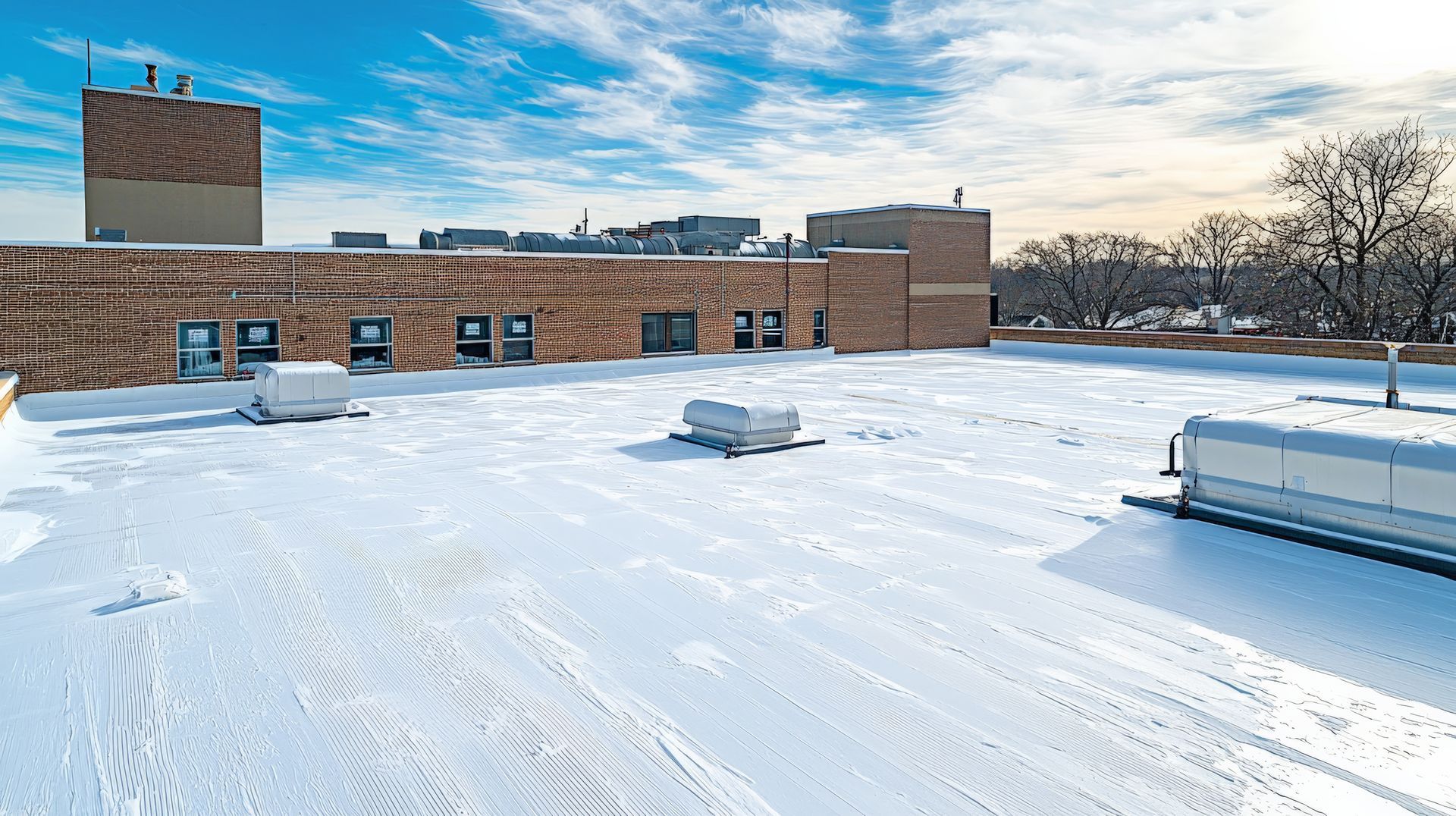
A cleared roof is
a protected roof.
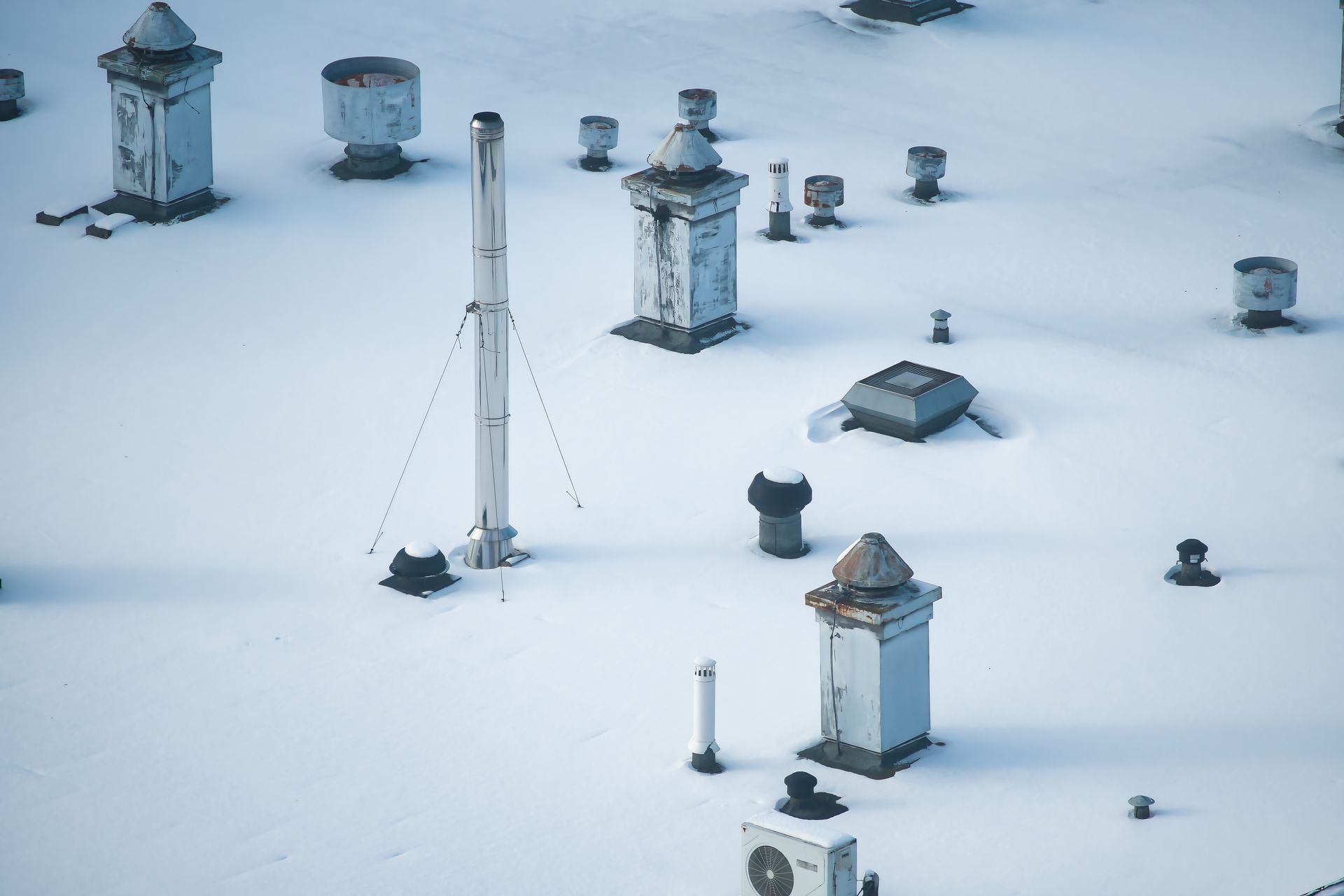
What Happens When Roof Snow Removal Is Neglected
Structural Overload:
The weight of compacted snow can exceed the roof's load-bearing capacity, causing cracks in walls, doors that stick, and creaking.
Ice Dams and Blocked Drains:
Snow melts, refreezes along the perimeter and around drains, blocking all drainage. Water pools and seeps into the membrane.
Membrane Deterioration:
Freeze-thaw cycles widen microcracks in seams and flashings, reducing the service life of your roof.
The Benefits of Regular Snow Removal
Structure protected against overloads
Drains clear and functional throughout winter
Membrane protected from freeze-thaw damage
No standing water accumulating on the roof
Reduced risk of infiltrations and emergency repairs
Extended service life for your roof
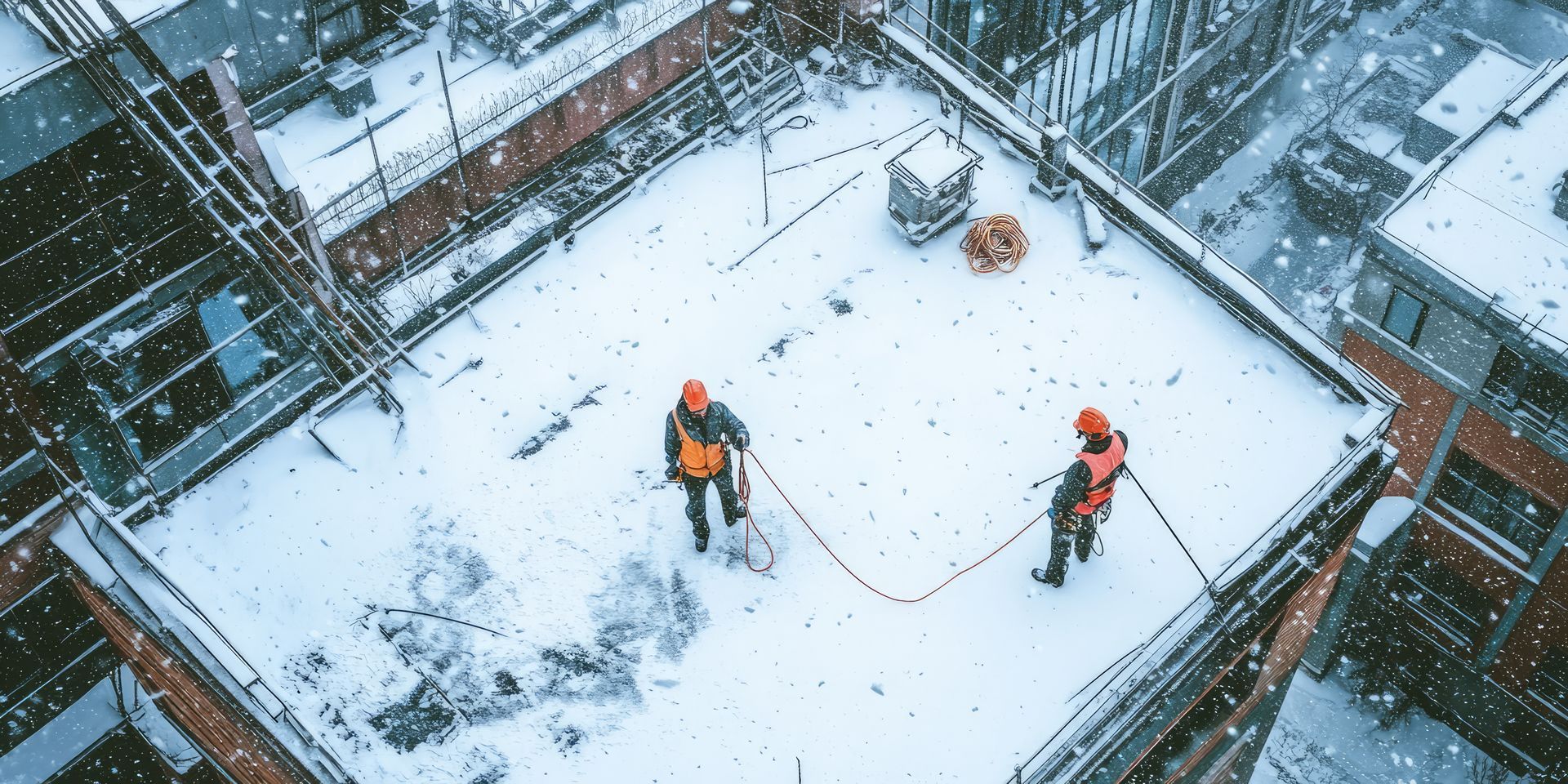
How Is Roof Snow Removal Performed?
1
Securing the Perimeter
Before starting, the ground-level discharge area is marked off and pedestrian access is restricted. A buffer zone is maintained all around the roof.
2
Careful Snow Removal
Snow is cleared manually or with appropriate tools. We never scrape down to the surface to avoid damaging the membrane.
3
Clearing the Drains
Drains and strainers are cleared first to allow meltwater to flow freely and prevent ice dam formation.
Is snow piling up on your roof?
We'll clear it for you.
